

Greek cooking holds an odd place in the Mediterranean kitchen. Behind a handful of dishes everyone already knows sits a much larger world of products, terroirs, and craft that still shapes how cooks think today.
As with every post in this series, these are grouped by region of origin, which is where they make the most sense. Most travel well and turn up across Greece anyway, often in far greater variety than what makes it abroad.
Peloponnese
The Peloponnese is one of the country's great farming regions. Olive groves, vineyards, and orchards produce some of the most recognisable ingredients in Greek cooking.
Koroneiki olive oil. Widely considered Greece's signature olive variety, Koroneiki gives an intensely fruity oil with notes of fresh grass, tomato leaf, and green almond. It suits grilled vegetables, fish, salad, or nothing more than a piece of bread.
Kalamata olives. Meaty, firm, and naturally full of flavour, they rank among the finest table olives in the Mediterranean. Look for ones cured in brine rather than oil. They tend to hold a better texture and a truer taste of the fruit.
Macedonia
Northern Greece looks entirely different: mountains, vineyards, and fertile plains that produce ingredients of real finesse.
Xinomavro vinegar. Made from the well-known Greek grape of the same name, it has real freshness and an elegant acidity that never turns sharp. Excellent over tomato salad, grilled vegetables, or a simple vinaigrette.
Kozani saffron. One of the few European saffrons with protected status. Its delicate scent works equally well in a risotto, a broth, a dessert, or ice cream.
Halkidiki
Between pine forests, olive groves, and the clear waters of the Aegean, Halkidiki also carries a long beekeeping tradition.
Greek honey. Thyme honey remains Greece's most iconic. But if you pass through Halkidiki, don't miss the pine honey: darker, less sweet, and gently resinous, it offers a completely different side of Greek honey. Both pair just as well with yogurt, seasonal fruit, or a good cheese.
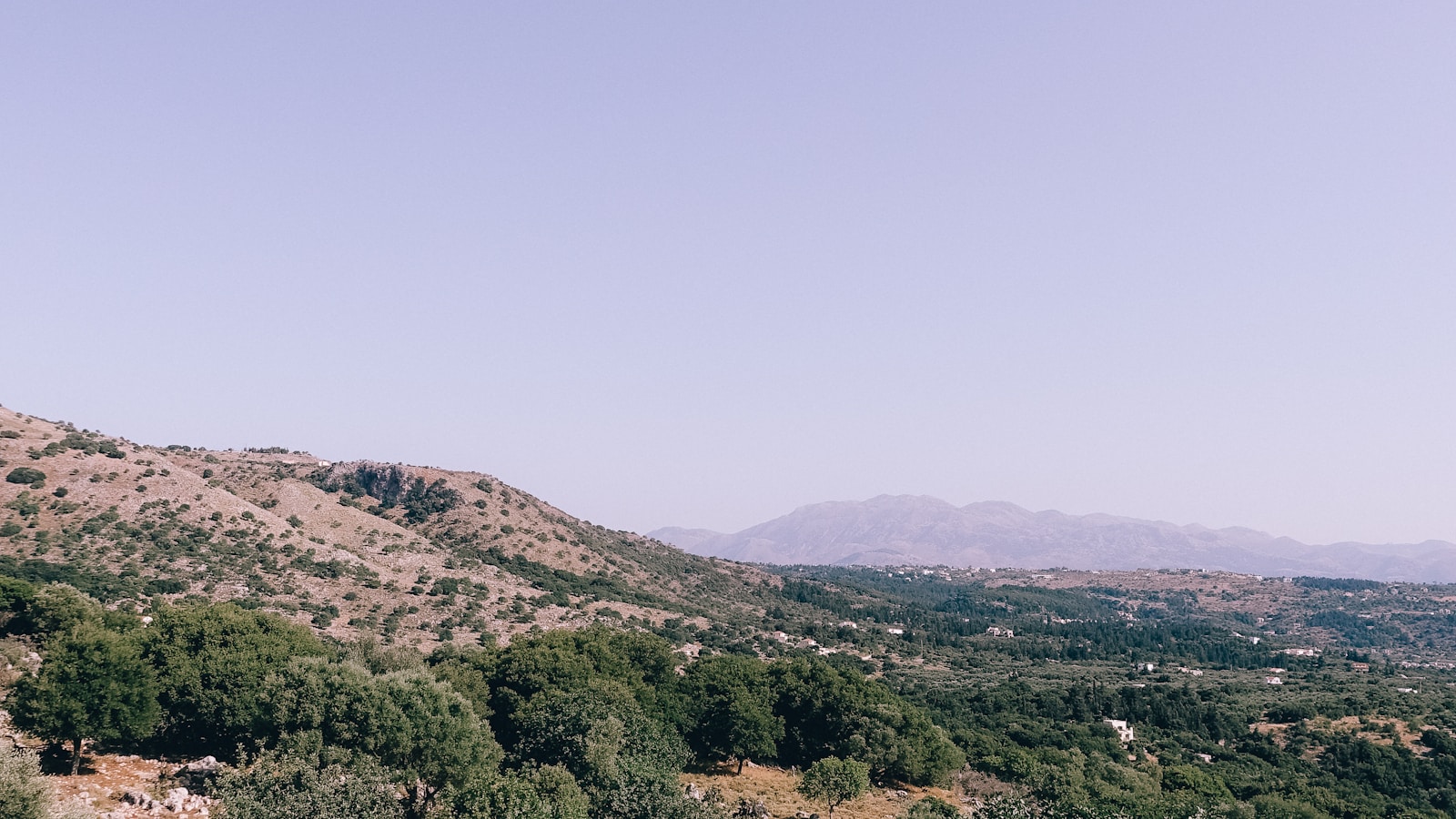
Crete
Crete has one of the strongest culinary identities in the Mediterranean, where pastoral products, wild herbs, and rural tradition still carry real weight.
Graviera Kritis. This large wheel of sheep's milk cheese, sometimes blended with goat's milk, has a firm texture and a flavour that's both mild and layered. Good on its own with fruit, grated over roasted vegetables, or worked into a savoury tart.
Diktamos. Also known as Cretan tea, this small aromatic shrub grows nowhere else in the wild. Its floral, faintly minty notes make it a well-loved infusion, but it also seasons a marinade or grilled vegetables surprisingly well.
Chios
Since antiquity, the island of Chios has been inseparable from one product found almost nowhere else in the world.
Mastiha. Harvested as small tears of resin, mastiha carries a striking aroma somewhere between pine, fresh herbs, and citrus. It turns up in pastries, ice cream, custards, liqueurs, and finely ground into certain pasta doughs.
Santorini
Volcanic soil gives Santorini a handful of products found nowhere else, all suited to the island's dry climate.
Santorini fava. Despite the name, this isn't fava beans but a local variety of split peas grown here for centuries. Its notably creamy texture makes for a very fine purée, lifted with nothing more than olive oil, lemon, and onion.
These products tell a richer story of Greece than the handful of specialties most people already know abroad. At Alluma, they shape how we think about a contemporary Mediterranean kitchen, one where every ingredient is chosen for where it comes from, its character, and the history it carries. Travel is also about bringing home flavours that keep inspiring long after you're back.