
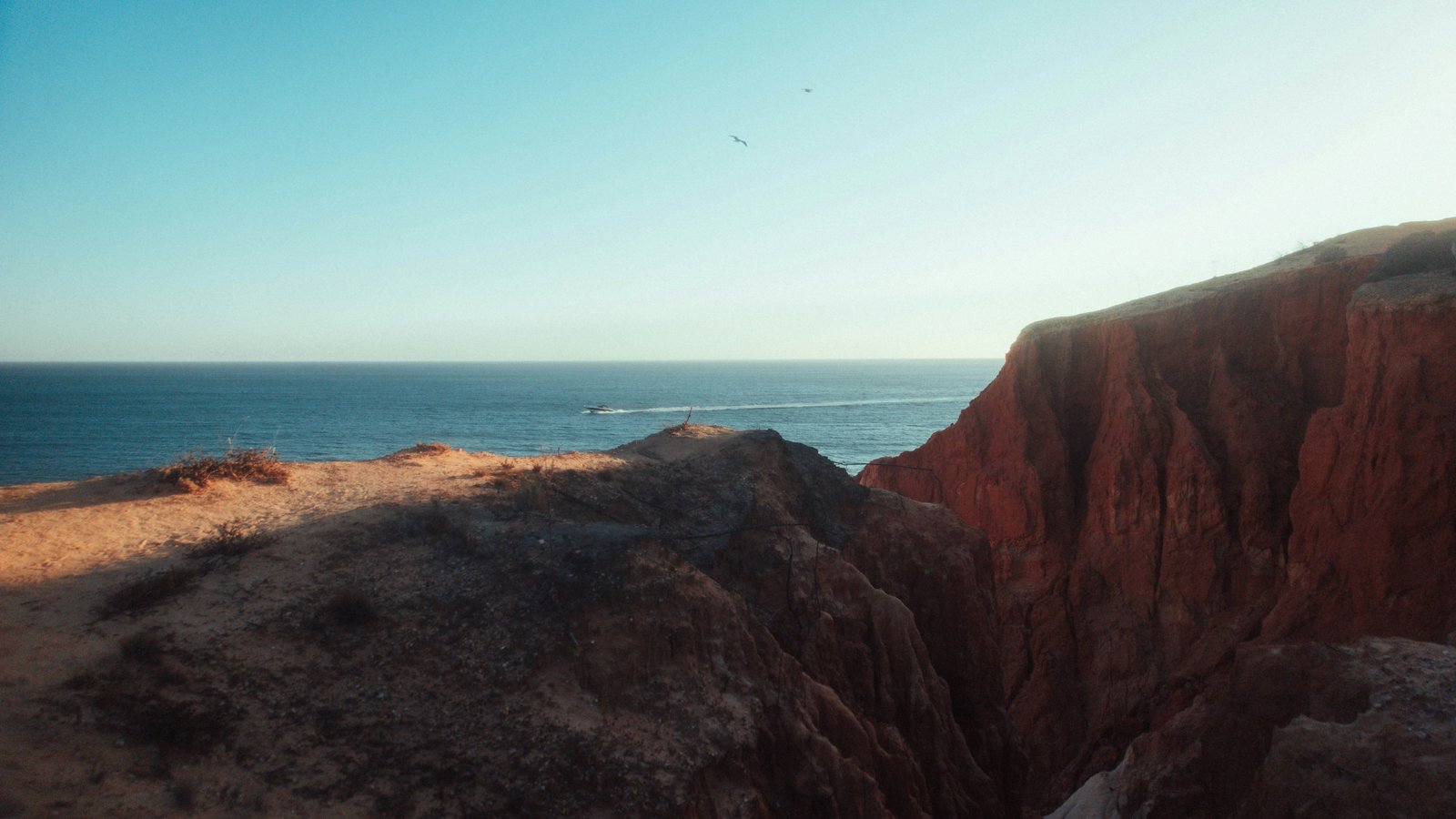
Portuguese cooking pulls from two worlds that rarely meet: the Atlantic, always close by, with its canneries and its salt, and a rural interior that keeps its own time across dry plains and northern mountains. Two volcanic islands out in the ocean add a third territory entirely, unlike either.
As with every post in this series, these are grouped by region of origin, which is where they make the most sense. Most travel well and turn up across the country, often in far greater variety than what makes it abroad.
Algarve
At the southern tip, the Ria Formosa lagoon and its salt pans have shaped a farming culture built around water and salt for centuries.
Ria Formosa salt flakes. Harvested by hand on the hottest, windiest days, when a thin crust of crystals forms on the surface of the ponds before sinking, these flakes have a light, crumbly texture and a round, gentle taste. A pinch finishes a grilled fish or a ripe tomato perfectly.
Piri-piri. Grown locally for generations, this small chili turns up steeped in oil, ground into paste, or bottled as sauce. Handled well, it leans fruity rather than fierce, and works equally well over grilled chicken or stirred into good olive oil.
Alentejo
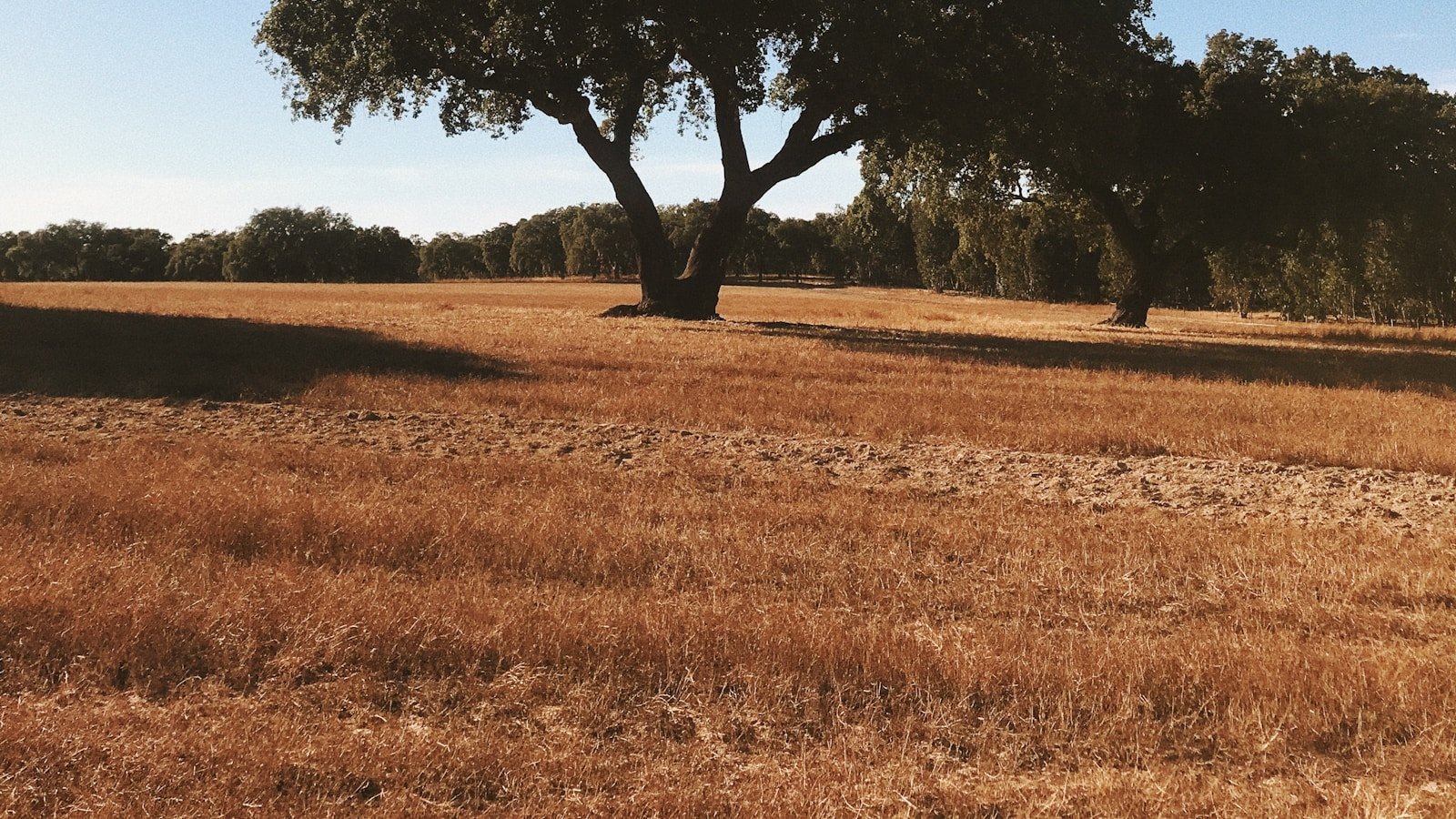
The wide plains of the Alentejo, dotted with cork oaks spaced far apart, rank among Portugal's most recognisable farming landscapes.
Elvas olives. Grown around this town near the Spanish border, these small green olives have carried protected-origin status since 1996. Cured in brine with oregano and garlic, they keep a firm bite and a direct, herbal flavour well ahead of any saltiness.
Setúbal
The bay south of Lisbon holds some of the country's oldest canneries, where the process has barely changed in a hundred years.
Tinned sardines. Still packed by hand in several workshops in the region, a good vintage tin improves with a few years of age, much like a bottle of wine. Over a slice of toasted bread with a little olive oil, it makes a full meal on its own.
Trás-os-Montes
In the mountains of the northeast, harsh winters have long pushed cooks toward smoking and curing over eating fresh.
Alheira. This smoked sausage, made from meat and bread, is traditionally prepared in villages across the mountainous interior. Grilled and served with a fried egg, it has a soft texture and a gentle smoke, a world apart from the drier cured meats of southern Europe.
Trás-os-Montes honey. Drawn from the heather and chestnut trees covering the region's hills, it carries a bold, almost resinous character, far removed from the softer honeys of the plains.
Madeira
On this volcanic island out in the Atlantic, a shipping accident gave rise to one of Europe's great age-worthy wines.
Madeira wine. Deliberately aged at high heat, a technique discovered when barrels crossed the equator in the hot holds of ships bound for the Indies, it develops notes of walnut, caramel, and dried fruit that hold their ground for decades. Once opened, a bottle keeps for weeks without turning.
Azores
Out in the middle of the Atlantic, the Azores archipelago enjoys a microclimate that grows crops found nowhere else in Europe.
Gorreana tea. Grown on the island of São Miguel in the continent's oldest plantations, free of pesticides from the start simply because the climate never called for any, it yields a green or black tea that's gentler and less astringent than its Asian counterparts.
Azores pineapple. Grown in greenhouses under a mix of peat and smoke that slows and speeds its ripening in turn, it takes close to two years to mature, against a few months elsewhere. The result is a sweeter fruit with far less acidity.
These products tell a richer story of Portugal than the azulejo tiles and beaches that usually come to mind first. Ria Formosa salt, Elvas olives, Setúbal tinned sardines, Madeira wine, Gorreana tea from the Azores: products that keep shaping how we think at Alluma about a cuisine where every ingredient is chosen for its origin, its character, and the story it carries. Travel is also a way of bringing home flavours that keep inspiring long after the trip ends.