
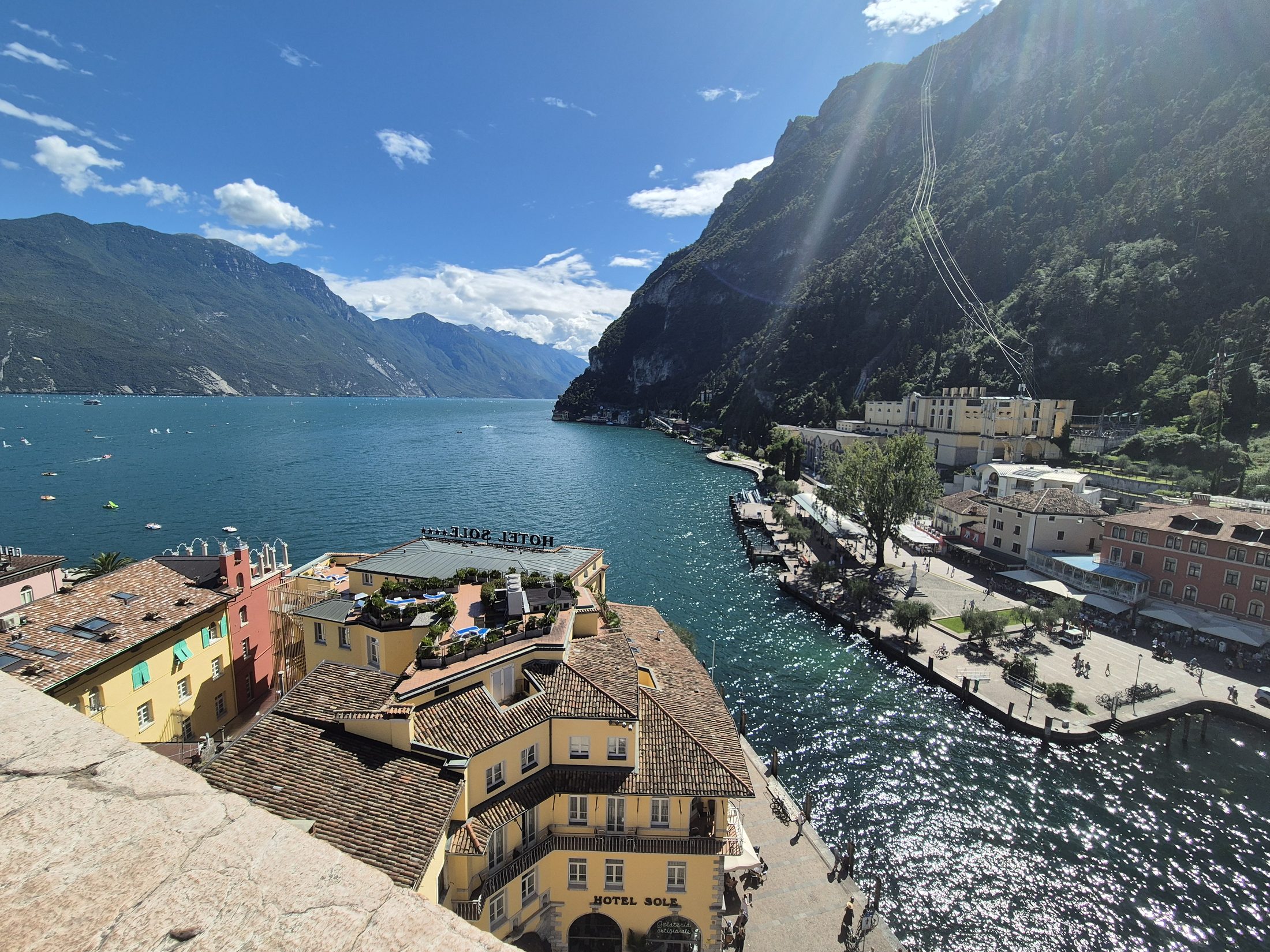
Italy belongs to that small set of countries where an ordinary grocery store can swallow an entire afternoon. Behind every region sits a handful of products tied tightly to a specific terroir, climate, and craft handed down, sometimes over generations.
As with every post in this series, these are grouped by region of origin — that's where they make the most sense. Most of them travel well and turn up across Italy anyway, often in greater variety than you'd find back home.
North
Northern Italy is mountain country — pasture, altitude, and a long tradition of curing and aging. Alpine influence runs through a generous, unhurried kitchen, where time is often the main ingredient.
Mountain honey. Depending on the season, look for rhododendron, fir, or wildflower honey from the Alps. The scent is delicate and floral, sometimes faintly resinous — a world away from Mediterranean honeys. Paired with a well-aged cheese, a few fresh figs, or stirred into plain yogurt, it shows what it's really made of.
Speck Alto Adige IGP. Not quite a cured ham, not quite a smoked one — speck sits in the space between salting, a light smoke, and time. A few slices are enough alongside sourdough, grilled vegetables, or even a summer peach salad.
Vialone Nano Veronese IGP rice. Overshadowed by Arborio, Vialone Nano is the rice many cooks actually reach for — it holds its bite while still turning a risotto properly creamy. If you cook rice at home, it earns its space in the suitcase.
Taggiasca olive oil (Liguria). Mild, delicate, almost free of bitterness. Excellent with fish, steamed vegetables, fresh cheese, or anything simple enough to let it show.
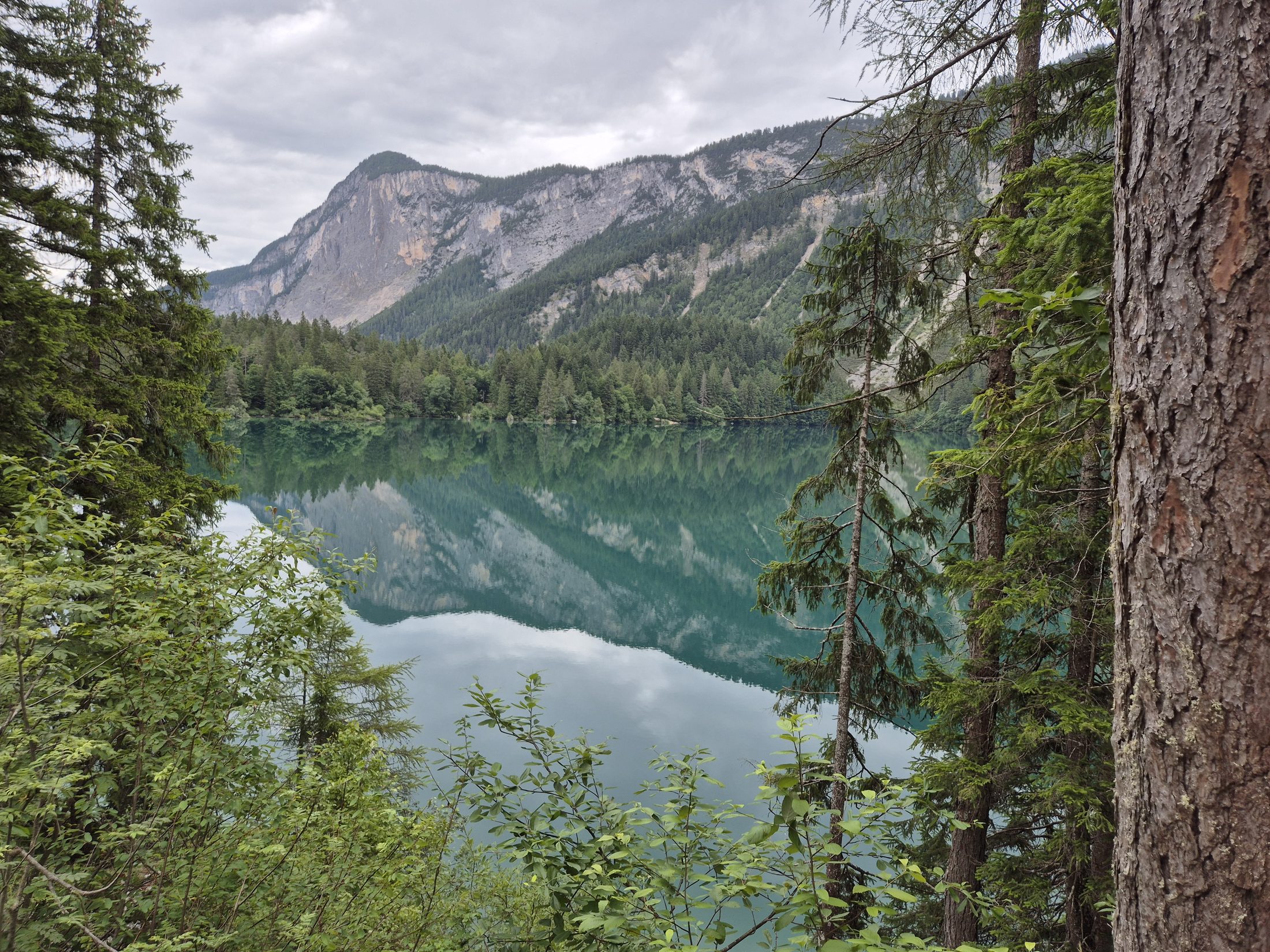
Centre
Central Italy is a reminder that some of the country's greatest products are simply the result of patience. Here, time is often the main ingredient.
Aceto Balsamico Tradizionale di Modena DOP. Real traditional balsamic has nothing in common with the industrial versions sold everywhere. A few drops are enough to add depth and balance to aged parmesan, strawberries, a risotto, even vanilla ice cream.
Parmigiano Reggiano. The longer it ages, the more complex it gets. Instead of reaching for the grater by default, break off a chunk now and then — the texture and aroma deserve the attention.
Frantoio olive oil (Tuscany). Grassier and more peppery than Taggiasca, with notes of artichoke, fresh grass, and green almond. Particularly good over vegetables, soups, legumes, and anything off the grill.
South
Southern Italy cooks under more sun — citrus, chili, and seafood carry real weight here.
Colatura di Alici di Cetara (Campania). A descendant of ancient garum, this cured-anchovy extract is used a few drops at a time. That's enough to transform a plate of pasta, a vinaigrette, or a vegetable carpaccio.
Calabrian chili. Dried, crushed, or kept in oil, it brings real heat without burying anything else. Equally at home in a tomato sauce, over grilled vegetables, fish, or shellfish.
Bergamot (Calabria). Long before Earl Grey got hold of it, bergamot was already an elegant citrus in its own right. Its delicate bitterness works with fish, marinades, desserts, or a few drops in a vinaigrette.
Coratina olive oil (Puglia). Powerful, peppery, and unusually high in polyphenols — one of the most expressive oils Italy produces. A few drops give real character to grilled vegetables, beans, meat, or a plain slice of bread.
Sicily
Sicily is a genuine Mediterranean crossroads — Arab, Greek, and Italian influence all still show up on the plate.
Pantelleria capers IGP. Cured in salt rather than vinegar, they develop a purer, more complex aroma. Once rinsed, they bring real depth to fish, salads, or sauces.
Bronte pistachios DOP. Grown on the slopes of Etna, prized for their intensity and unusually soft texture. Crushed over fruit, ice cream, roasted vegetables, or fish, they add as much texture as flavor.
Wild oregano. A few leaves crushed between your fingers are enough to scent a tomato sauce, a salad, or grilled vegetables. One of those plain ingredients that instantly says southern Italy.
Sardinia
Long cut off from the mainland, Sardinia built its own culinary identity somewhere between herding and the sea.
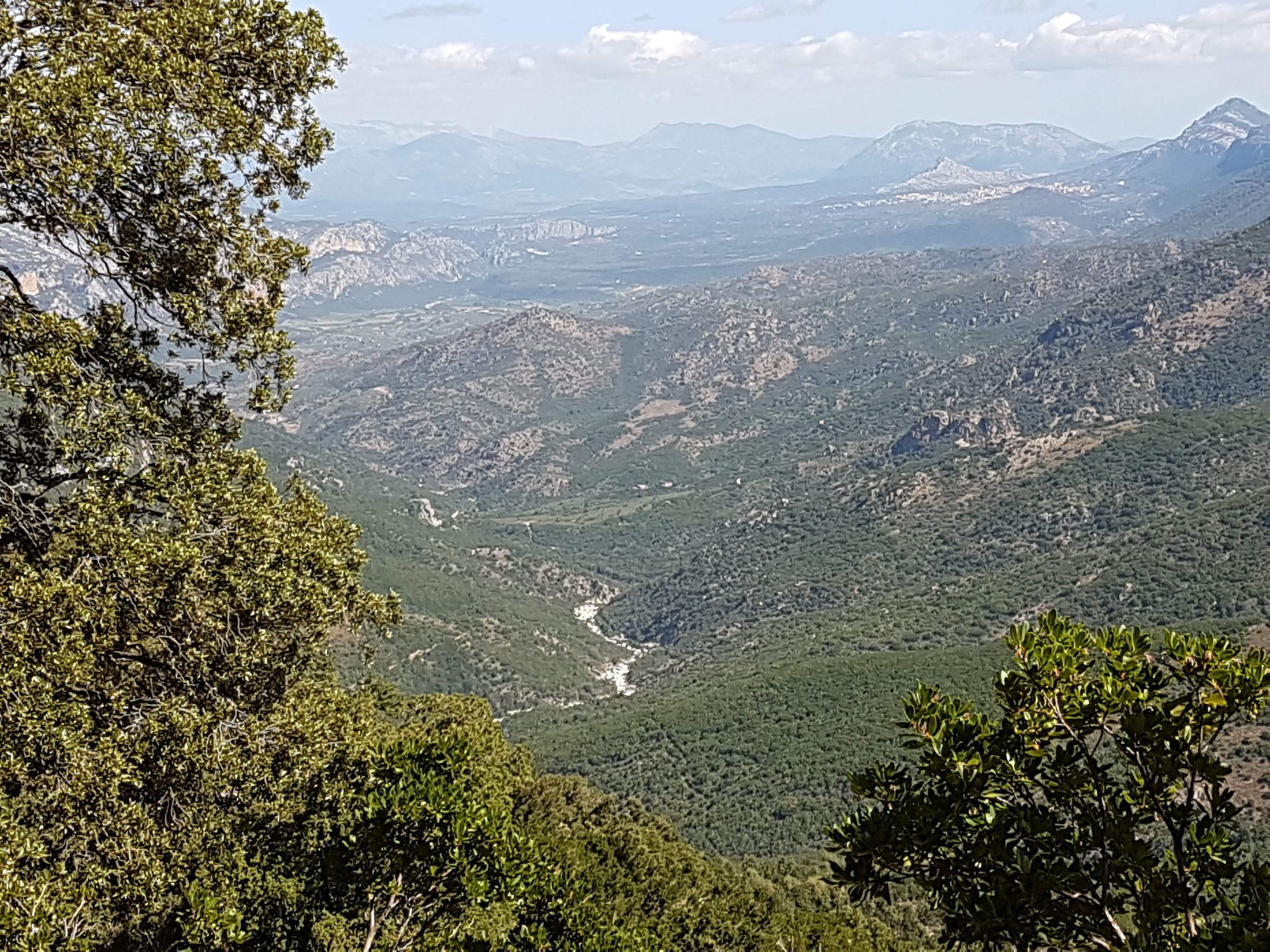
Pecorino Sardo DOP. In its aged maturo form, sharper than a standard sheep's cheese, it holds its own next to a glass of wine, a plate of pasta, a salad, or grilled vegetables.
Bottarga di muggine. Often called the parmesan of the sea, bottarga is grey mullet roe, salted and dried. Grated at the last second over pasta, a fennel salad, asparagus, or ripe tomatoes, it adds a depth of brine nothing else quite matches.
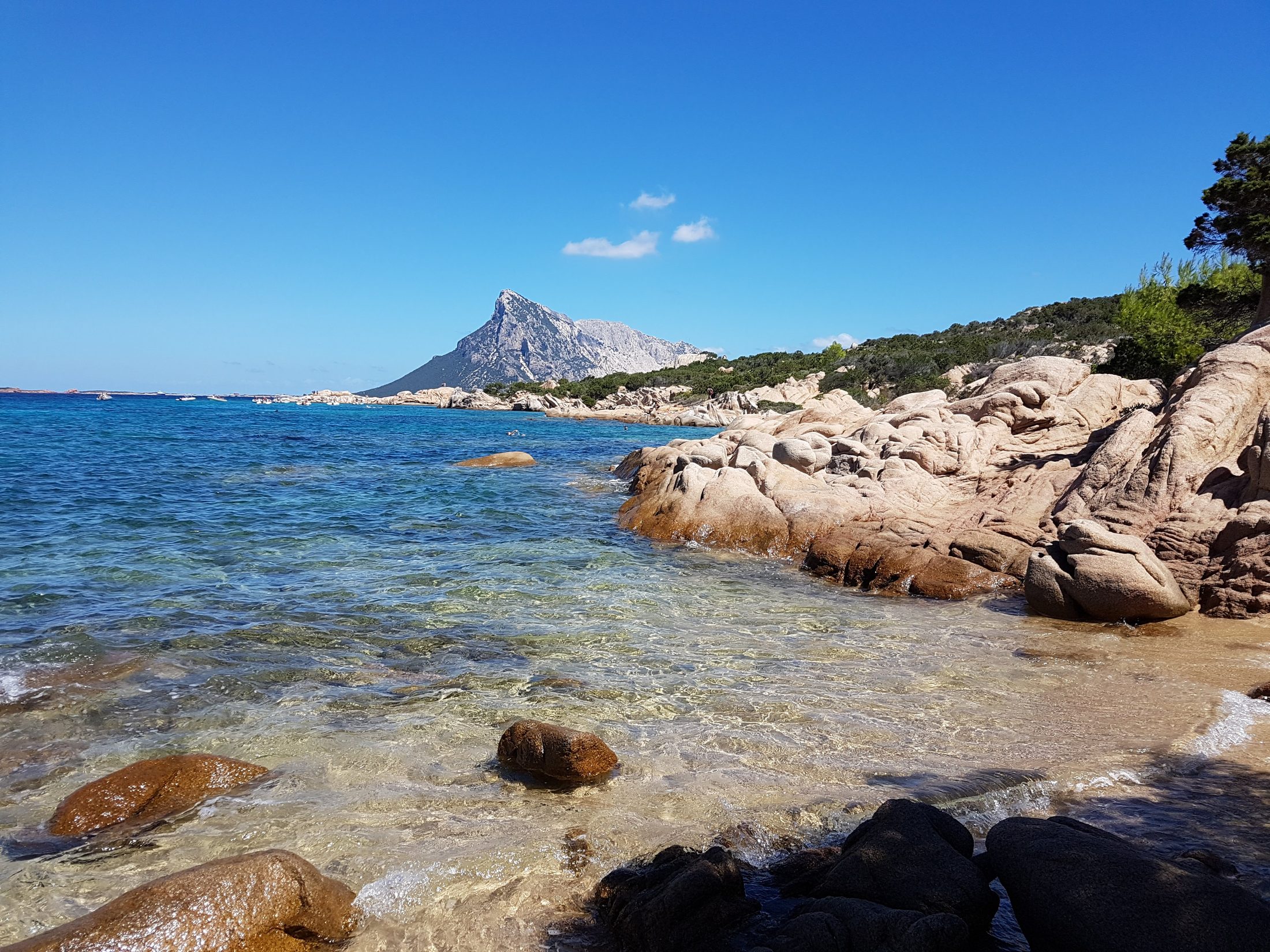
One last thing
One last thing, before you leave: take a suitcase big enough, and check your baggage allowance. A few bottles of olive oil and a jar of capers are all it takes to tip the scale. It's never the flight out that's the problem.